Rigorous Quality Assurance So
You Ship With Confidence



Manual Testing
SprintX catches the bugs your users never see. Our QA engineers combine rigorous manual testing with automated test suites to ensure your product performs flawlessly under pressure. We test across browsers, devices, and edge cases so you can ship with confidence. Talk To Experts >
Successful Products Completed in different Sectors By SprintX
Users of our app are engaging with it across different industries.
Client satisfaction on all projects Web & Mobile work with our agency
QA & Testing Workflow
01>

Requirement Analysis
Identify business and user needs to define clear testing requirements.
02>

Develop Test Strategy
Set testing goals, scope, and approach for effective quality coverage.
03>

Plan Timeline & Deliverables
Define milestones, responsibilities, and expected outputs for testing.
04>

Test Case Design
Create detailed scenarios to cover all functional and edge cases.
05>

Test Runs & Execution
Execute tests and record results to spot deviations from expected behavior.
06>

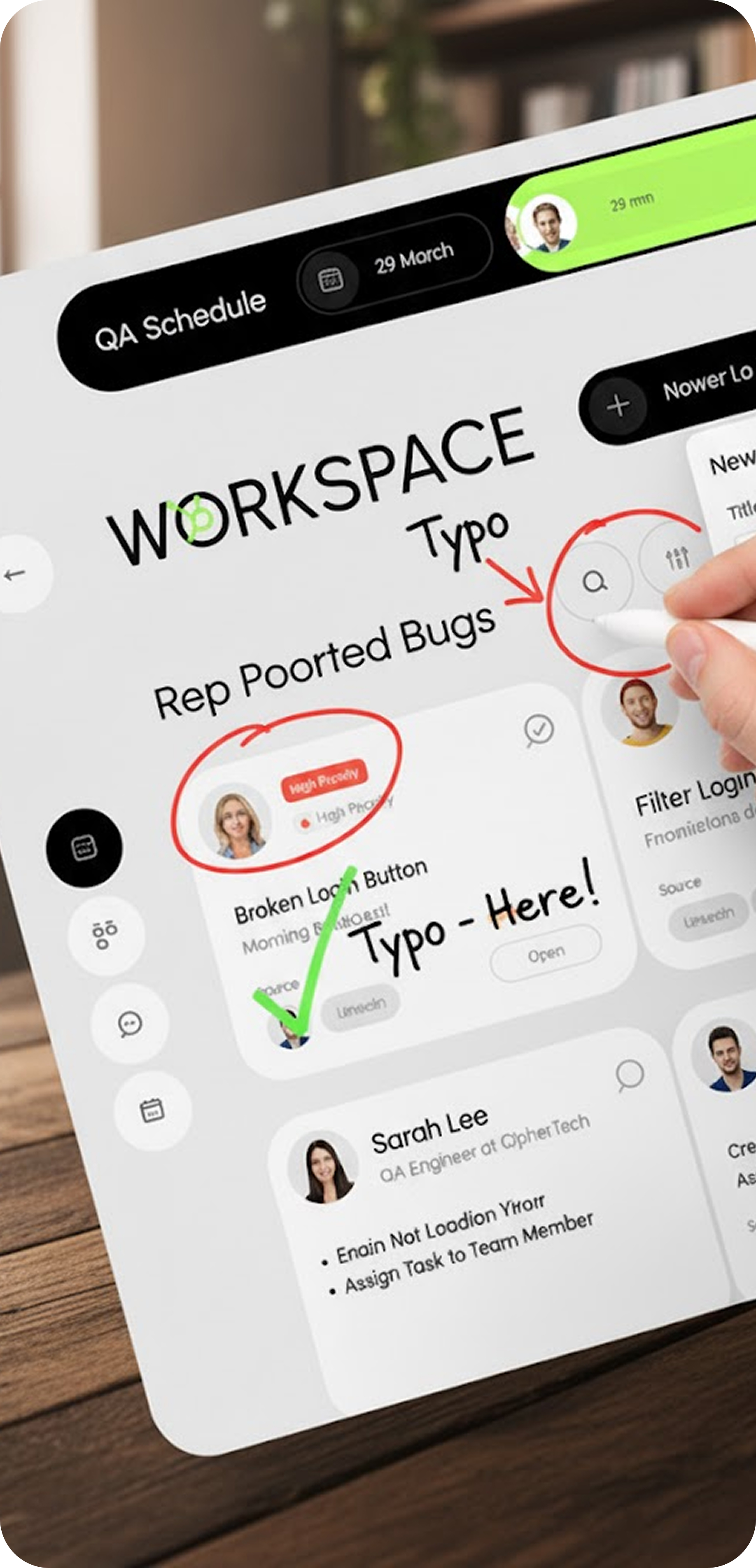
Reporting & Bug Tracking
Document issues, track severity, and communicate findings clearly.
07>

Continuous Improvement
Analyze results to refine testing processes and prevent future issues.
08>

Test Completion & Sign-Off
Confirm all tests are complete and obtain stakeholder approval.
Tools we Used




From Bugs to Better Conversions
5000+
QA test cycles completed
ensuring products perform flawlessly
80K+
Hours dedicated to testing & optimization
improving reliability and user experience
4.9/5
Average client satisfaction rating
boosting confidence, conversions, and retention
Let's Build Something Great
Expect a response within 24 hours. We'll include relevant case studies, a ballpark estimate, and a proposed timeline
Types
Unit Testing
Testing individual components or functions of software to ensure their correctness and functionality in isolation.
Define the User Journey
Evaluating software against its functional requirements to ensure that it meets specified criteria and performs as intended.
Unit Testing
Testing individual components or functions of software to ensure their correctness and functionality in isolation.
Define the User Journey
Evaluating software against its functional requirements to ensure that it meets specified criteria and performs as intended.
Let's tackle it together.

See how top brands use SprintX

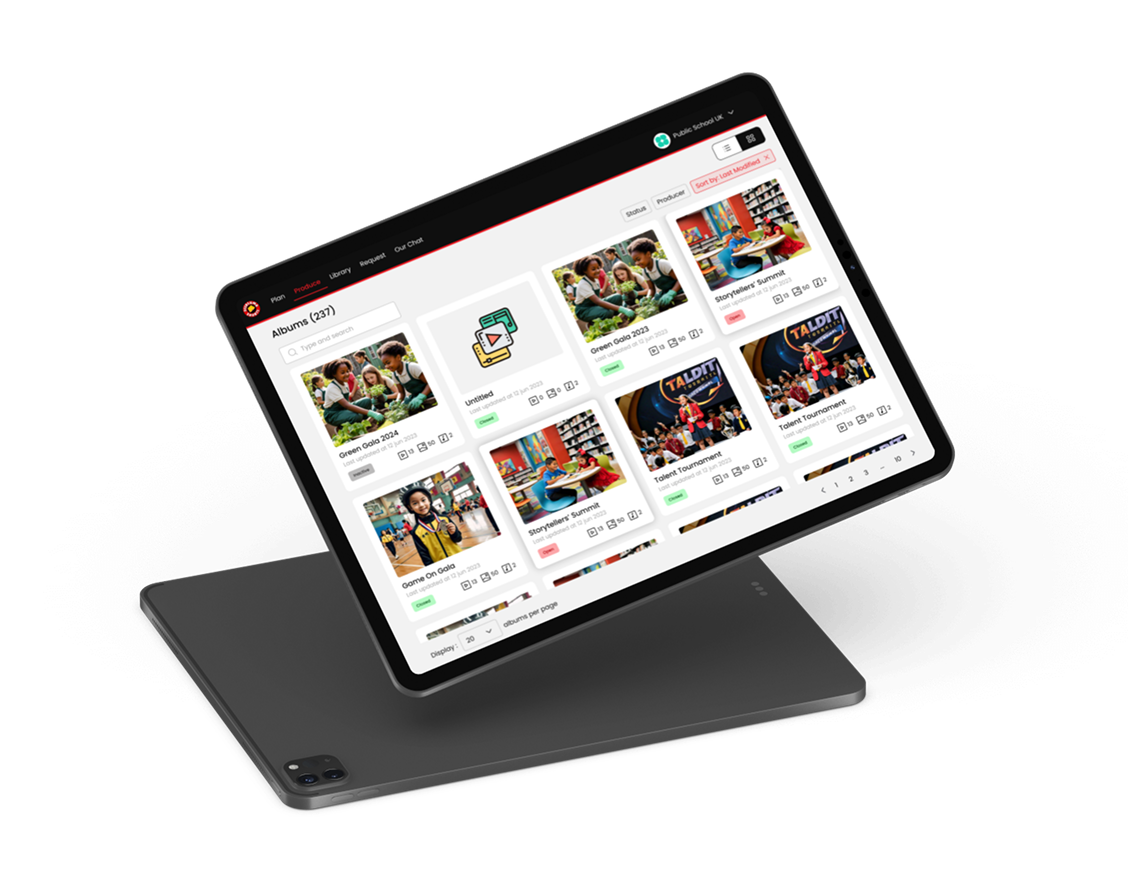

Brevidee
SaaS platform enabling schools to capture, edit, and share video stories with AI-assisted planning and professional editing.
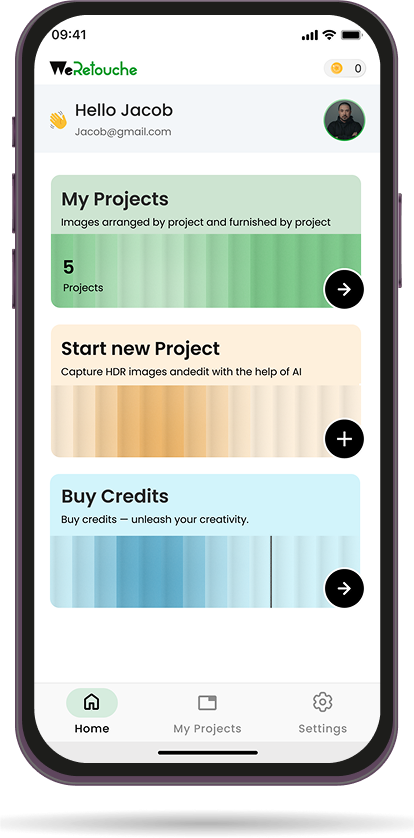
WeRetouche
Cross-platform SaaS app transforming property photos into professional real estate listings using AI-powered image enhancement.
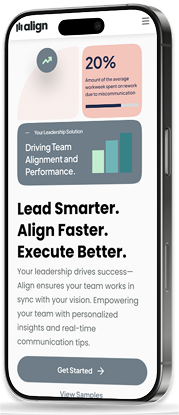
Align
AI SaaS platform delivering personalized employee guides to enhance team collaboration and workplace culture.
Our work reaches all over the world. From innovative startups in the US to leading enterprises across Europe, the UK, Asia, and beyond.

Quality assurance is not a single activity but a collection of practices that together ensure your product works reliably. We offer comprehensive QA services that cover all aspects of software quality. Here is what we provide:
1. Manual Testing and Exploratory Testing
Our QA engineers manually test every feature, flow, and edge case in your application. They think like users, trying different paths, entering unexpected inputs, and looking for ways the software might break. Exploratory testing goes beyond predefined test cases. Our testers use their experience and intuition to probe areas where bugs are likely to hide. Manual testing catches issues that automated tests miss, particularly around usability, visual consistency, and unexpected user behavior. It is also essential for new features that have not yet been automated.
2. Automated Testing
For regression testing and continuous integration, we build automated test suites that run every time code changes. We use frameworks like Selenium, Cypress, and Playwright for end-to-end browser testing. We write unit tests that verify individual functions and components. We create integration tests that ensure different parts of your system work together correctly. Automated testing provides fast feedback to developers, catches regressions before they reach production, and builds confidence that changes do not break existing functionality. The combination of manual and automated testing gives you comprehensive coverage that neither approach provides alone.
3. Performance and Load Testing
Your application might work perfectly with a few users but fall apart under real-world load. We conduct performance testing to identify bottlenecks, measure response times, and establish baselines. We then perform load testing that simulates many concurrent users to see how your system behaves under stress. Where does performance degrade? Where does it break entirely? We identify these limits and work with your development team to address them before they affect real users. This is especially important before major launches, marketing campaigns, or any event that might drive traffic spikes.
4. Security Testing
Security vulnerabilities can destroy user trust and expose you to legal liability. Our security testing identifies common vulnerabilities like SQL injection, cross-site scripting, authentication weaknesses, and insecure data handling. We test authorization to ensure users cannot access data or features they should not have access to. We review how sensitive data is stored, transmitted, and logged. While we are not a penetration testing firm, our security testing catches the issues that affect most applications and helps you meet baseline security standards.
Yes, and this flexibility is one of the reasons clients choose us. We understand that every team works differently, and we adapt to your processes rather than forcing you to change for us. Here is how we integrate:
1. CI/CD Pipeline Integration
We integrate automated tests into your continuous integration and deployment pipelines. Whether you use GitHub Actions, GitLab CI, CircleCI, Jenkins, or another tool, we configure tests to run automatically on every commit, pull request, or deployment. This means code is tested before it merges, catching issues early when they are cheapest to fix. We set up test reporting so results are visible to your team and failures block deployments when appropriate.
2. Agile and Sprint-Based Collaboration
Most modern teams work in agile sprints, and we fit seamlessly into this rhythm. We can join your sprint planning to understand upcoming work and estimate testing effort. We participate in daily standups to coordinate with developers and stay aware of changes. We complete testing within sprint timelines so releases are not delayed waiting for QA. We participate in retrospectives to continuously improve how testing fits into your process. This embedded approach means QA is not a bottleneck or afterthought but an integrated part of how your team delivers software.
3. Tool Compatibility
We work with whatever tools your team uses. For bug tracking and project management, we use Jira, Linear, Trello, Asana, GitHub Issues, or your tool of choice. For test case management, we work with TestRail, Zephyr, or spreadsheets if that is what you prefer. For communication, we use Slack, Teams, Discord, or email. For documentation, we work with Notion, Confluence, or Google Docs. Our goal is to reduce friction, not add it, so we meet you where you already are.
4. Direct Developer Collaboration
We work directly with your developers rather than going through layers of management. When we find a bug, we create a detailed ticket with steps to reproduce, expected behavior, actual behavior, and relevant screenshots or videos. We are available to answer questions, verify fixes, and discuss edge cases. This direct collaboration speeds up the feedback loop and builds good working relationships between QA and development. Many developers we work with tell us they appreciate our thoroughness and clarity.
The short answer is: as early as possible. The cost of fixing bugs increases exponentially the later they are discovered. A bug caught during development takes minutes to fix. The same bug caught after launch might require emergency patches, customer support, reputation damage, and potential data loss. Here is how to think about QA timing:
1. During Requirements and Design
The best time to start thinking about quality is before any code is written. QA engineers bring a testing mindset that helps identify ambiguities, edge cases, and potential issues in requirements and designs. Involving QA in planning discussions leads to clearer specifications, fewer misunderstandings, and better-designed features. We call this shift-left testing, moving quality considerations earlier in the process where they have the most impact.
2. Throughout Development
QA should not wait until development is complete to start testing. We test features as they are finished, providing feedback to developers while the code is fresh in their minds. This continuous testing approach catches bugs early, prevents issues from compounding, and keeps the codebase in a releasable state throughout development. It also spreads QA effort evenly rather than creating a crunch at the end when deadlines are looming.
3. Before Every Release
At minimum, every release should go through a thorough QA pass before reaching users. This includes testing new features, running regression tests to ensure existing functionality still works, and performing sanity checks on critical user flows. The depth of testing should match the risk of the release. Minor updates might need lighter testing. Major releases need comprehensive coverage. We help you calibrate the right level of effort for each release.
4. For Existing Products Without QA
If you have a product that has been built without proper testing, it is not too late to improve. We can audit your current quality, identify the highest-risk areas, stabilize critical issues, and implement testing processes that prevent future problems. Many clients come to us with products that have accumulated bugs and technical debt, and we help them dig out and establish sustainable quality practices going forward.
SprintX - Creative & Development Services
We design websites that convert. Mobile-first, SEO-optimized, and built to generate leads. Every pixel is intentional, engineered to guide visitors toward action and turn browsers into paying customers.
Explore Web Design services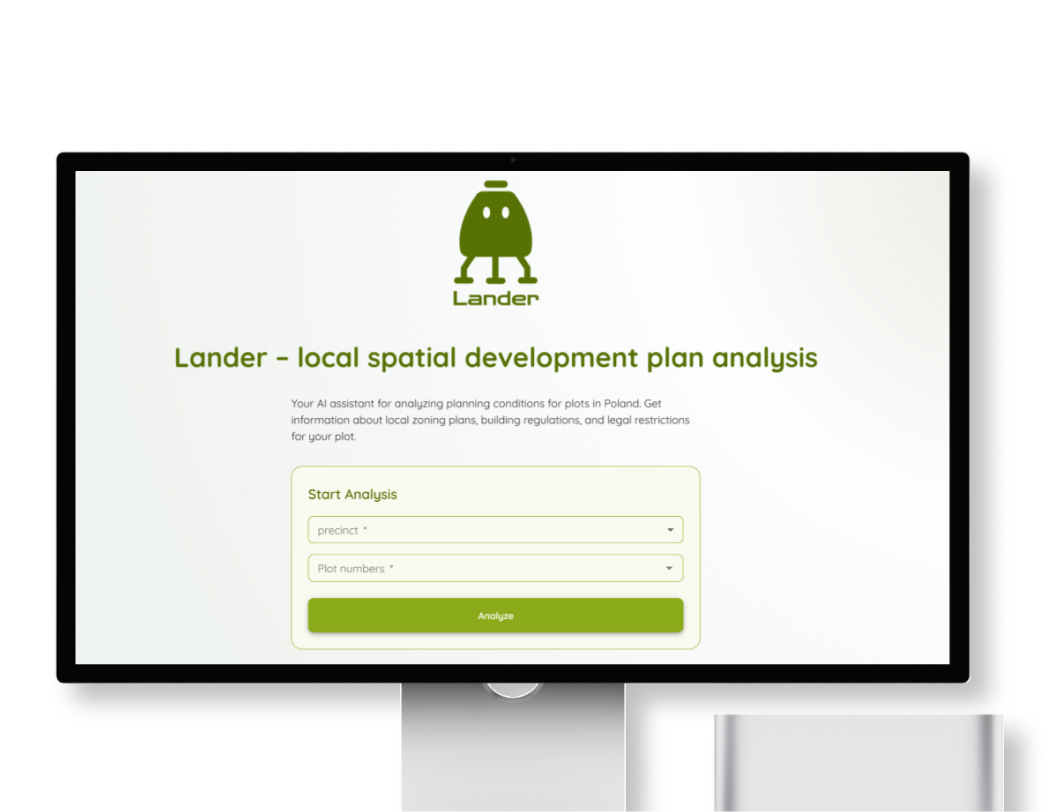
Clean code that ships fast and scales with your business. Whether you need an MVP in weeks or a robust SaaS platform, we build web applications that perform under pressure.
Explore Web Development services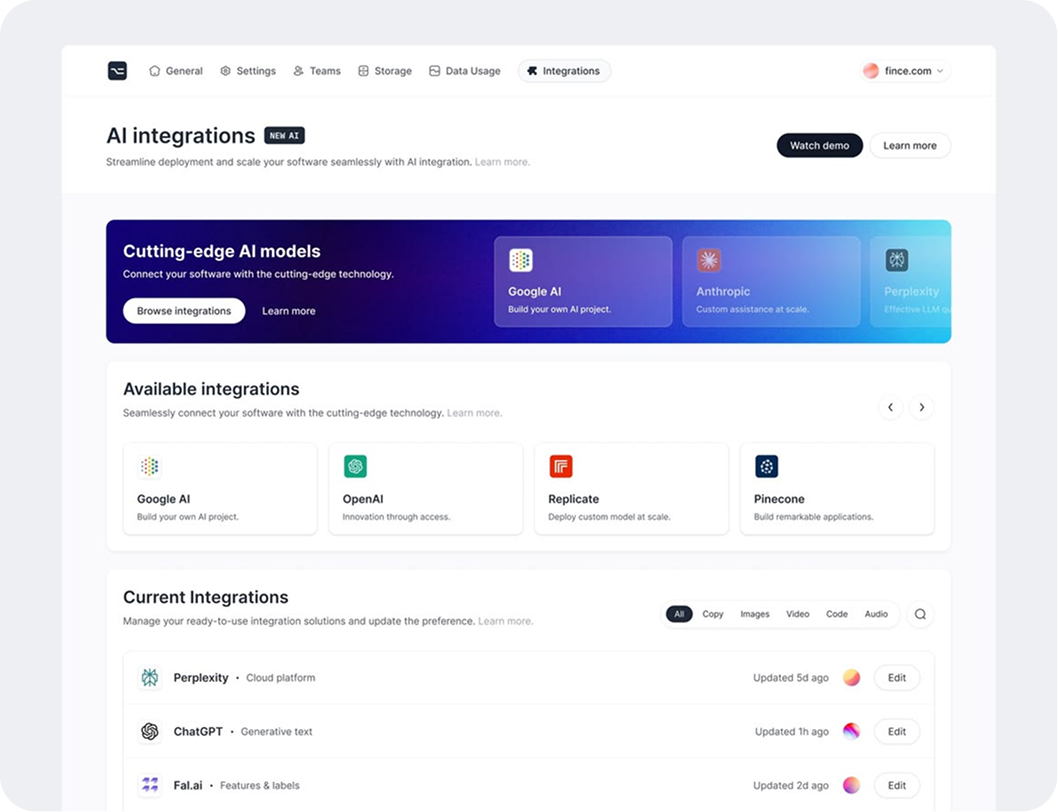
Interfaces your users will actually enjoy. We design with intention, reducing friction and creating experiences that feel natural from the first tap to the final conversion.
Explore UX/UI Design services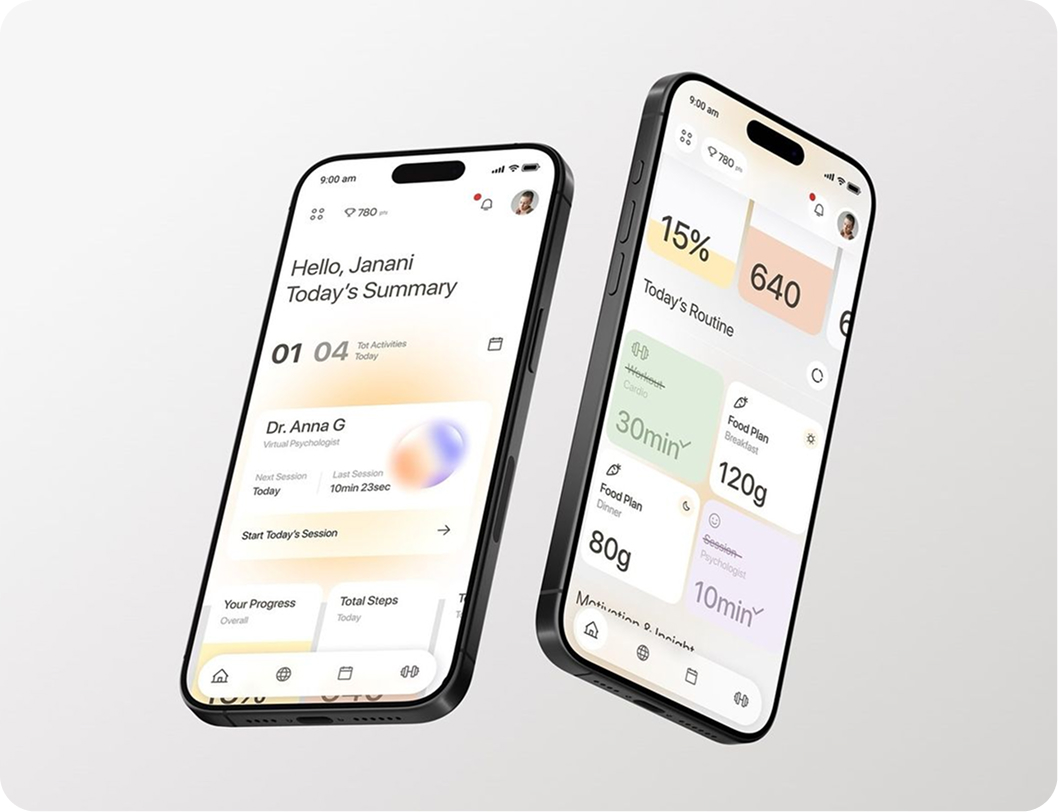
Your product, ready for every pocket. We build cross-platform mobile apps that launch smooth, perform fast, and scale as your user base grows.
Explore Mobile Development services
From concept to launch-ready product. We work alongside founders and product teams to shape ideas into digital products that users love and markets respond to.
Explore Digital Product Design services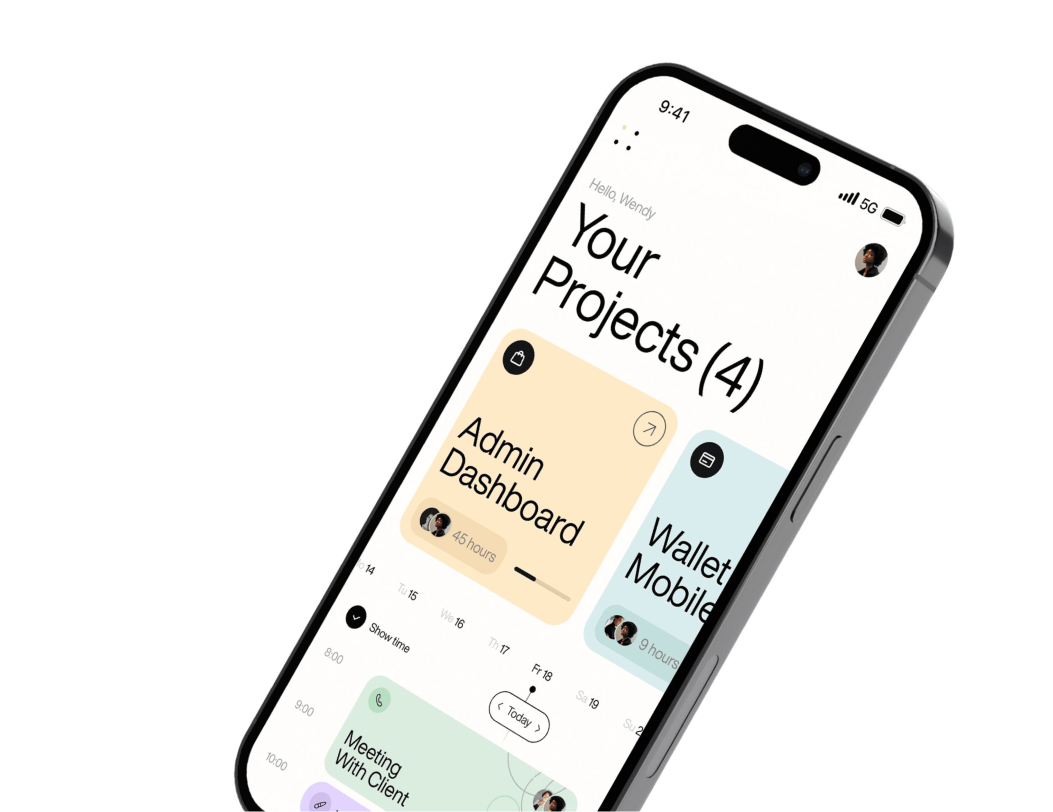
Ship with confidence, not crossed fingers. Our QA team catches what others miss, delivering stable releases that protect your product and your reputation.
Explore Testing & QA services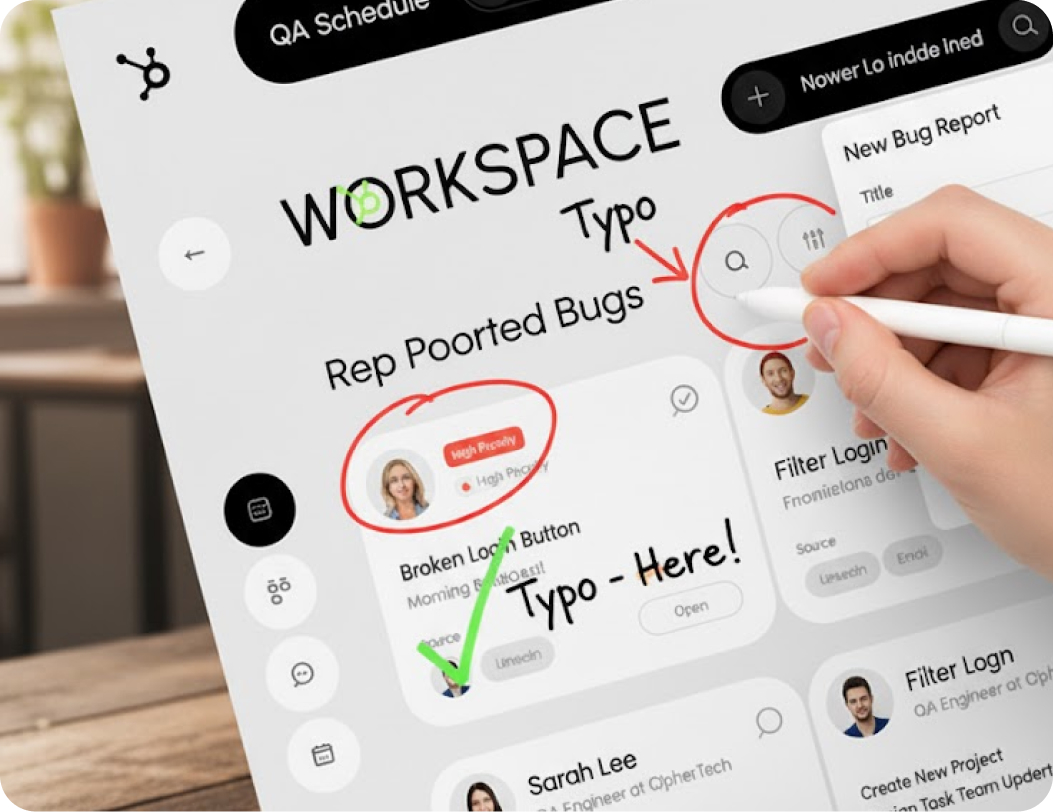
Visuals that earn attention and build trust. From brand identity to campaign creatives, we design assets that communicate quality before you say a word.
Explore Graphics Design services